


















SAP Engagement Cloud: A Rebrand of Mission, Not Just Name
SAP has repositioned its marketing engine Emarsys under a new name: SAP Engagement Cloud. On the surface this appears to be a branding change within SAP’s wider customer experience portfolio, but it also reflects how SAP sees the role of marketing and engagement evolving within its ecosystem.
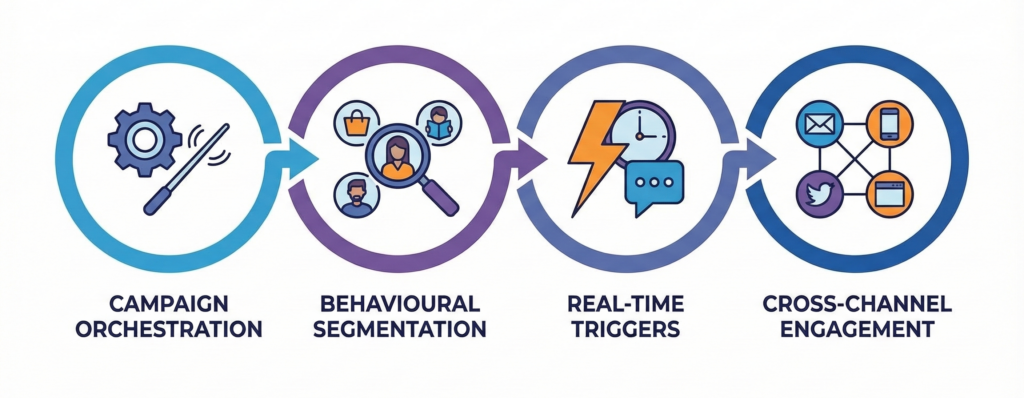
The first point to understand is that this is not a product replacement. Emarsys has not disappeared. The capabilities existing customers have used for sometime are still there. Campaign orchestration, behavioural segmentation, real-time triggers and cross-channel engagement all continue under the new platform name.
From Marketing Center to Enterprise Edge
What has changed is SAP’s messaging, and that shift in language matters. Engagement Cloud is now positioned as something across the enterprise, where Marketing is no longer at the center of the platform.
SAP’s strength has always been its role at the operational core of large organizations. ERP systems, commerce platforms, supply chains and customer service operations all generate signals that influence how organizations communicate with customers.
In that environment, engagement is about responding to operational events. Inventory availability, service disruptions, order fulfilment updates and product usage signals can all become triggers for customer communication.
From a capability perspective, SAP Engagement Cloud retains the personalization and orchestration features developed under Emarsys and continues to include AI-driven personalization and insight capabilities. The platform is also recognized in Gartner’s Personalization Engines Magic Quadrant, highlighting its strengths in customer engagement and real-time personalization.

Alignment
Marketing Automation
Marketing automation now needs to deliver scalable lifecycle management, account‑level intelligence, and operational efficiency across hybrid tech stacks. That’s the space where purpose‑built platforms – and the automation frameworks JTF implements – continue to excel.
It’s no longer about Marketing
Seen in that context, the rebrand is more about where their priority fits, and it’s in the wider enterprise technology stack, and not in Marketing.
Modern marketing automation platforms like Adobe Marketo Engage are leading the way as a Sales and Marketing revenue engine rather than simply an operational communication tool. Marketing teams manage long lifecycle journeys, coordinate with sales teams, and analyse influence across complex pipelines involving multiple stakeholders. Those demands have pushed marketing platforms toward capabilities such as buying-group visibility, lifecycle modelling, advanced attribution and deeper CRM alignment. These requirements shape how organizations evaluate marketing technology today.
These are not simply engagement problems. They are marketing problems.
In environments built around e-commerce or direct-to-consumer models, event-driven engagement platforms work extremely well. Customer behaviour triggers communication, personalization adapts content, and the platform focuses on driving repeat engagement and loyalty.
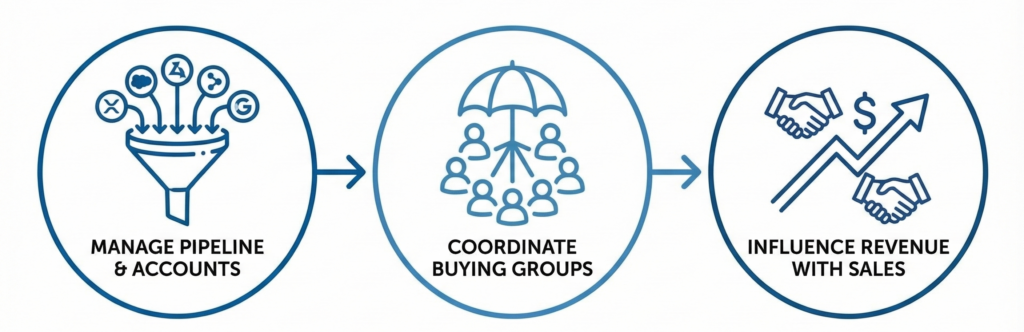
But in more complex B2B environments, marketing teams are solving a different challenge. They are managing pipeline development across accounts, coordinating activity across buying groups, and working closely with sales to influence revenue.
That operating model requires platforms designed with marketers in mind.
By repositioning the platform as Engagement Cloud, SAP is emphasizing its role in enterprise engagement orchestration rather than doubling down on marketing as a discipline in its own right.
Operational Tool or Revenue Engine?
For marketing leaders building sophisticated Revenue Acceleration loops, their priorities may look at odds to SAP’s. They need platforms designed specifically around marketing-led orchestration, campaign management and revenue attribution, putting them at the centre of the system rather than positioning marketing as one component within a broader operational engagement layer.
If marketing is responsible for driving pipeline and influencing revenue, should the core platform be designed first and foremost for marketers?
In my experience, the answer to that question often shapes the technology decisions that follow.
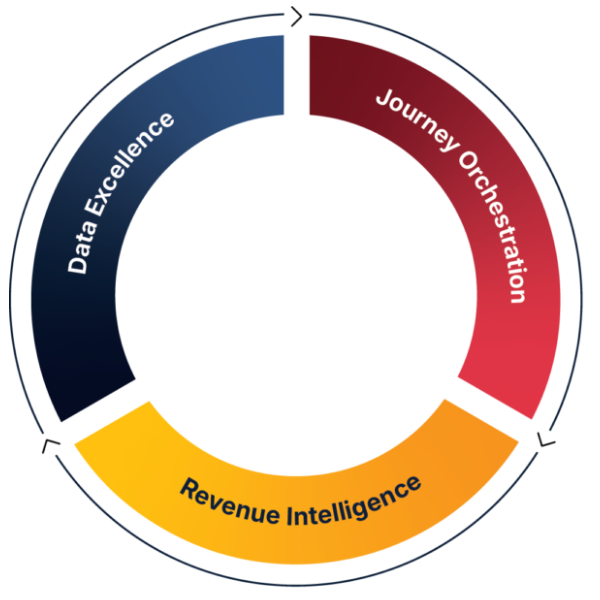
JTF Revenue Acceleration Loop
The Revenue Acceleration Loop and SAP’s Evolving Role in Marketing
The shift from SAP Marketing Cloud to SAP Engagement Cloud becomes clearer when viewed through the lens of the Revenue Acceleration Loop.
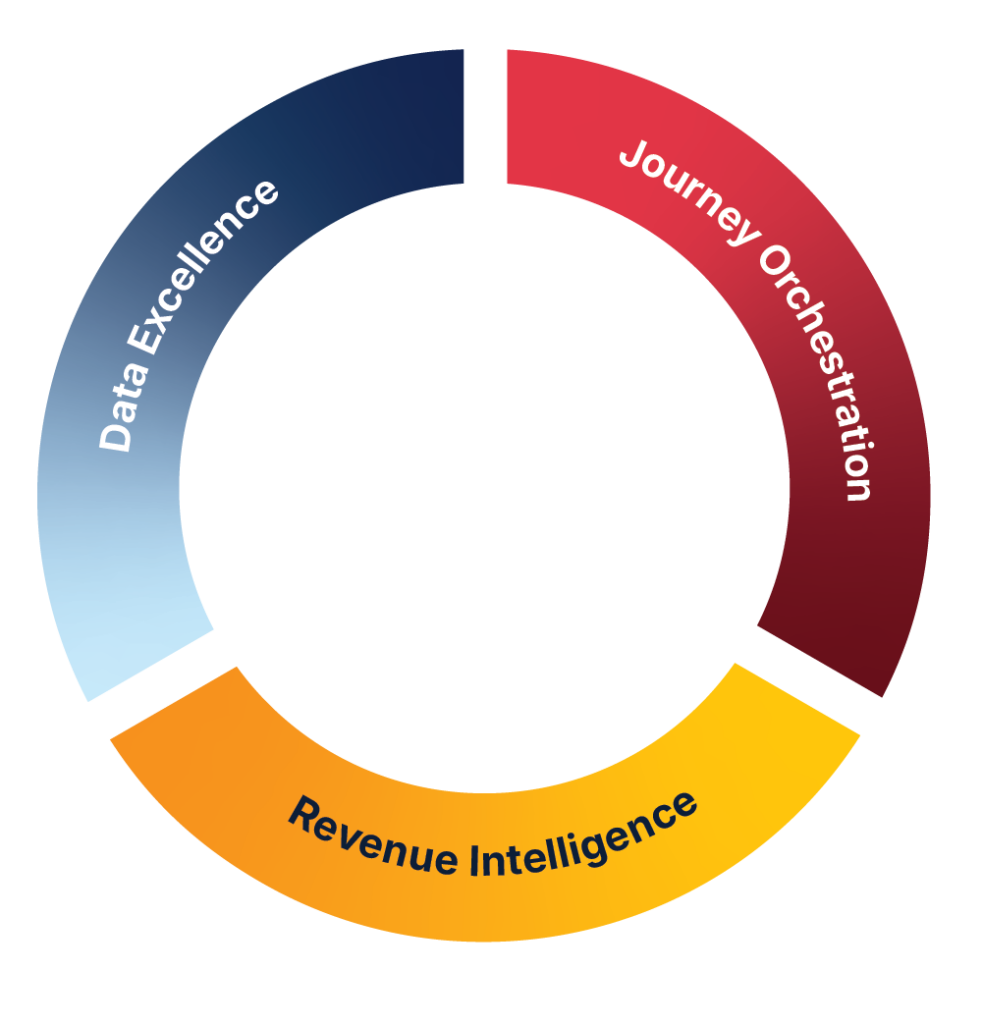
The loop is built on a simple but powerful idea: revenue growth comes from a continuous cycle of data excellence, journey orchestration, and revenue intelligence – all driven by marketing as the engine of pipeline creation and progression.
Conclusion
SAP’s move to Engagement Cloud signals a shift toward enterprise‑wide engagement rather than marketing‑led revenue orchestration. For organizations deeply invested in SAP’s operational stack, that direction will feel aligned. For B2B marketing teams focused on lifecycle management, buying‑group engagement, and revenue influence, it raises a simple but important question: does the platform still match the way you generate pipeline?
The priority is clarity. Understanding whether your technology supports your revenue model today will determine how effectively you can scale it tomorrow.
If you are questioning whether SAP’s roadmap aligns with your 2026 growth strategy, speak with a strategic consultant about your options.
A neutral architecture review today could prevent years of compounding platform constraints tomorrow.
Follow Charlie on LinkedIn.
Frequently Asked Questions
No. SAP Marketing Cloud continues to exist, but the rebrand signals a strategic emphasis on engagement and commerce‑aligned CX rather than deep B2B marketing automation innovation.
Not necessarily. The shift is gradual, and many SAP‑centric organisations will still benefit from the unified data and commerce alignment. The key is assessing whether your revenue model requires more advanced B2B automation than SAP currently prioritizes.
SAP is optimising for real‑time engagement tied to commerce and ERP data. Marketo Engage and similar platforms focus on AI‑driven lifecycle management, buying‑group intelligence, and marketer‑controlled orchestration – capabilities central to complex B2B demand engines.
Brands with strong commerce operations, transactional journeys, and a fully SAP‑native stack typically see the most value. These organisations benefit from unified data models and consistent engagement across SAP systems.
A reassessment makes sense when your growth strategy depends on advanced B2B lifecycle orchestration, account‑level intelligence, hybrid CRM environments, or AI‑driven revenue operations – areas where specialised automation platforms currently lead.