


















Why Consolidation Is Coming – and Why Now Is Not the Time to Move
The Noise in the Market
Right now, B2B marketing leaders are surrounded by noise and talk of platform consolidation. AI feature releases, new orchestration platforms, and bold claims about “the end of marketing automation” are creating whispers that legacy platforms are on borrowed time.
Internally, the questions are sharper: Is Marketo still the right engine? Will Adobe consolidate its B2B tools? Are we investing in a transitional architecture? Should we move before we get left behind?
It is easy to mistake volume for direction. But when you strip away the commentary, something more deliberate is happening. Adobe is not standing still; it is re-architecting. And if you look closely, consolidation is coming.
The Last 24 Months: What Most People Missed
For all the criticism around “lack of innovation,” the last two years tell a story of strategic consolidation.
- The emergence of Adobe Journey Optimizer B2B Edition.
- The evolution of buying group orchestration.
- The introduction of Customer Journey Analytics B2B Edition.
- Deeper integration into Adobe Experience Platform.
- Rapid experimentation with AI-driven journey and content activation.
Is everything fully formed? No. But transitional phases are what architectural consolidation looks like in real time. Adobe has spent the last 24 months building foundational capabilities rather than cosmetic ones. Innovation has not been loud; it has been structural.
Marketo Remains the Enterprise Engine
Let’s address the elephant in the room. Marketo Engage is frequently criticized for its interface, but capability and interface are not the same thing. There is still no serious enterprise B2B contender that matches Marketo’s operational resilience.
It is far more plausible that Marketo evolves into the new ecosystem than that Adobe abandons its most powerful B2B engine. This type of consolidation ensures power stays while the experience modernizes.
The AI Trap: Why Moving Now Is Risky
The market is intoxicated by AI, but replatforming based on AI novelty is short-term thinking. In twelve months, the features driving today’s decisions may be irrelevant. The smarter question is: Which architecture is built to absorb AI acceleration without constant reinvention? This is where the consolidation within the Adobe Experience Platform becomes critical.
The Future State: One Experience, Not Three Tools
Adobe is preparing for meaningful consolidation across its B2B stack, not the removal of tools. We expect a single intelligence layer and a unified orchestration surface where AI abstracts workflow complexity. This consolidation means marketers will define outcomes while the platform handles the heavy lifting.
The Real Risk: Strategic Distraction
The biggest danger right now is not Adobe’s roadmap. It is reactive decision-making.
We are seeing organizations:
- Chase AI features without commercial clarity.
- Debate platform changes without revenue justification.
- Confuse capability expansion with strategic progress.
- Invest in systems before aligning on revenue architecture.
Technology does not fix unclear strategies. It amplifies it. If your lifecycle model is broken, AI will scale confusion faster. If your governance is weak, orchestration will magnify inconsistency. In an AI-accelerated world, focus is your competitive advantage.

Webinar On demand
Stop Panicking, Start Orchestrating: The Move to Buying Groups
Are you worried about the Adobe roadmap or feeling “AI FOMO”? Before you consider a move, watch our deep-dive on how to leverage what you already have.
Learn how to combine Marketo Engage and AJO B2B Edition to move past “dead-end leads” and start engaging real decision-making groups. This is the structural innovation your team actually needs.
What Smart Leaders Are Doing Instead
The most effective B2B organizations are not panicking. They are:
- Strengthening lifecycle governance.
- Cleaning and rationalizing data structures.
- Aligning marketing systems to revenue outcomes.
- Preparing to leverage deeper Experience Platform capabilities.
- Avoiding unnecessary platform disruption.
They understand that a disciplined 12–18 months of internal alignment will outperform a reactive move every time.
Confidence, Not Panic
Adobe is building toward consolidation. Marketo remains strategically critical. AI will abstract complexity, but foundations still matter.
This is not a moment for panic. It is a moment for informed confidence.
If you want to explore your options, pressure-free, we are happy to have that conversation. Whether you are questioning your roadmap or simply want reassurance, clarity matters more than noise.
And if you are heading to Adobe Summit in Las Vegas, let’s connect.
JTF Revenue Acceleration Loop
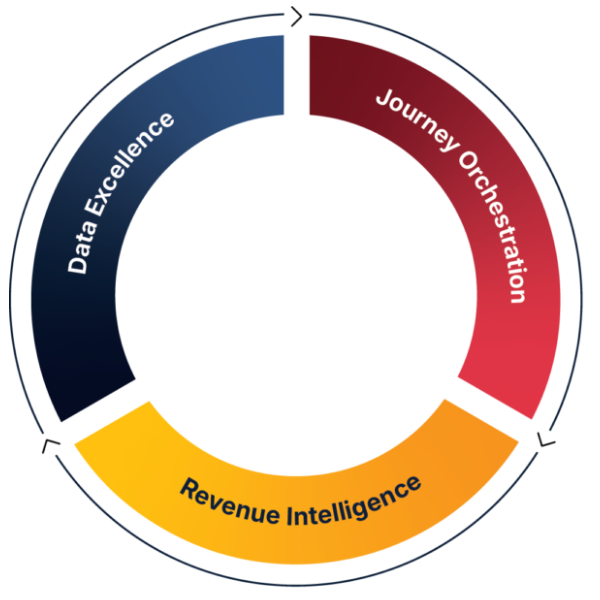
How This Fits Into the Revenue Acceleration Loop
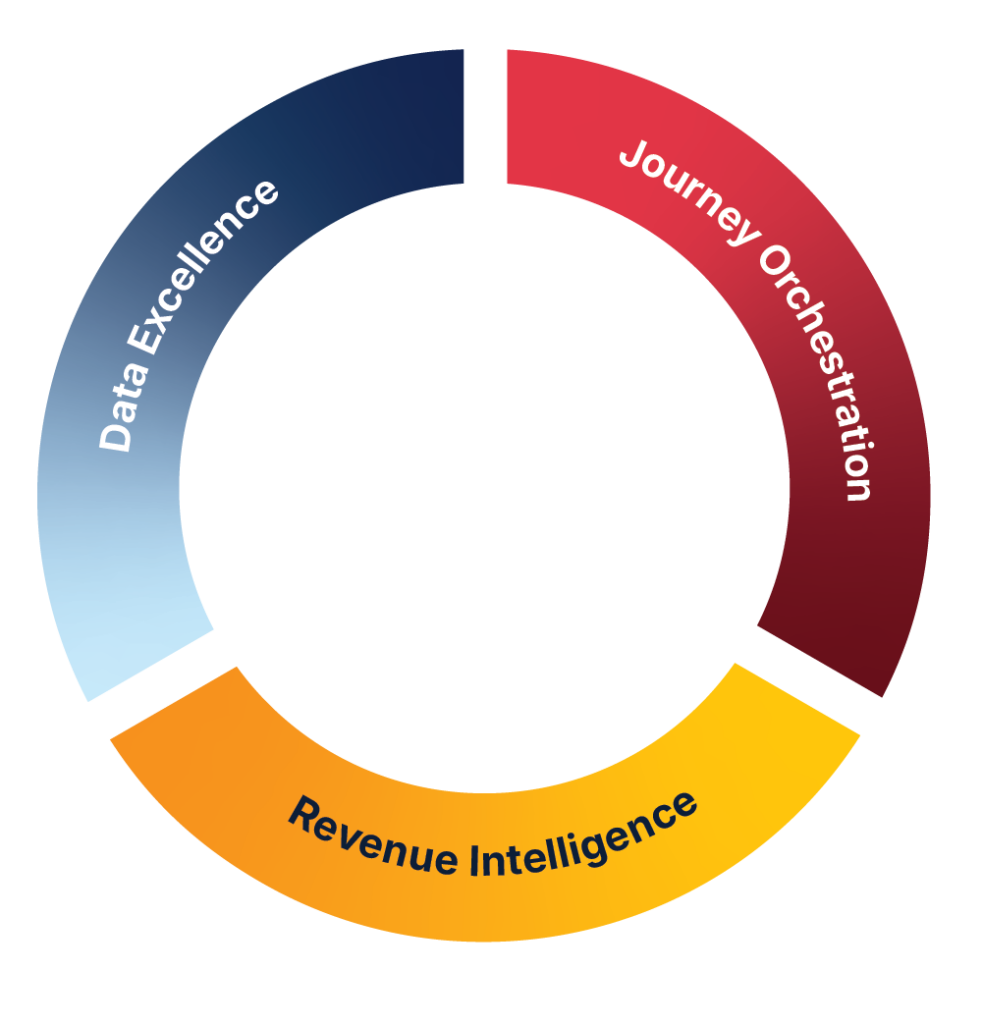
The consolidation happening across Adobe’s B2B stack isn’t just a product story – it maps directly to the Revenue Acceleration Loop.
The organizations making the smartest decisions right now are the ones treating consolidation as an opportunity to tighten the connection between data, orchestration, and revenue impact.
Conclusion
The talk of platform consolidation and the “end of an era” for established tools like Adobe Marketo Engage is more noise than reality. For enterprise leaders, the path forward isn’t found in reactive re-platforming or chasing the latest AI novelty – it is found in architectural discipline.
Adobe is not abandoning the B2B market; it is unifying it. By moving toward a single intelligence layer and Buying Group Marketing orchestration, they are building a framework designed for the next decade of digital scale.
The real competitive advantage in 2026 isn’t the tool you use – it’s the strategy and data behind it. Instead of panicking, now is the time to audit your MarTech Strategy, clean your data structures, and align your current systems to actual revenue outcomes.
Don’t let market noise dictate your roadmap. Let’s ensure your current architecture is built to win.
Take the next step
Speak to someone who gets it
For organizations looking to go deeper, JTF offers a Revenue Strategy Audit designed to help teams understand where performance is being constrained and where improvements can be made.
Connect with James on LinkedIn.
Frequently Asked Questions
No. Marketo remains the core operational engine for enterprise B2B. The current evolution into the Adobe Experience Platform (AEP) ensures power stays while the experience modernizes. To ensure your instance is ready for this evolution, we recommend a Marketing Automation audit to optimize performance.
Replatforming based on AI features alone is high-risk. The smarter move is a MarTech Strategy & AI assessment. This ensures your current architecture is built to absorb AI acceleration without the cost and distraction of a full migration.
The “Real Risk” isn’t the technology; it’s the lack of visibility. Most organizations struggle because their systems aren’t connected to Data & Analytics. By unifying your data, you can directly connect your current marketing activities to revenue outcomes, proving the platform’s ROI before considering a move.
Focus on Buying Group Marketing. Instead of worrying about tool removal, start orchestrating complex B2B account journeys. This shift from “leads” to “buying groups” is the structural innovation that actually drives growth in a consolidated stack.