

















Introduction
I see the same pattern time and time again.
A business invests heavily in a new marketing automation platform such as Adobe Marketo Engage or Adobe Journey Optimizer B2B Edition. The implementation is funded. The integrations are scoped. The dashboards are built.
Then the budget gets cut.
Training is reduced to a single day. Maybe a few online sessions. A PDF guide. Job done.
Six months later, the narrative becomes:
- “The platform is complex.”
- “Adoption is low.”
- “We are not seeing ROI.”
- “Marketing automation doesn’t work for us.”
That is not a technology failure.
That is a change failure.
The Real Risk Is Not the Tool
When organizations buy enterprise marketing technology, they are not simply purchasing software. They are changing:
- Process
- Accountability
- Data ownership
- Ways of working
- Team capability
- Culture
If you do not invest in helping people understand:
- Why this change matters
- How the new process will work
- What is expected of them
- What the benefit is to their role
- How success will be measured
… then resistance is inevitable.
Not because the platform is hard.
Because the human transition was ignored.
Download
Migration Options from Adobe Marketo Engage
When it comes to Marketo migration options, it can be difficult to know where to start. This guide aims to help you understand the options, limitations and opportunities for a successful migration.
A Real Story: From Apprehension to Advocacy
During my time in financial services, we purchased a new marketing automation platform (Adobe Marketo Engage). The team was apprehensive. Change fatigue was real. There was concern about complexity and job impact.
So we did not start with configuration.
We started with belief.
I ran a session showing global brands successfully using Adobe Marketo. The goal was simple – Help the team see the opportunity through their own lens.
From there:
- We invested in structured online training with gamification elements
- We encouraged questions and surfaced concerns early
- We identified priority capability gaps
- We ran focused deep-dive workshops with a specialist partner
- We aligned process design with real team workflows
Fast forward 12 to 18 months:
- Adoption was high
- Capability had matured
- Confidence increased
- Culture improved
- Business goals were achieved
The technology did not change.
The investment in people did.
Training Is Not a Cost Line. It Is a Value Multiplier
Cutting training to protect budget is short-term thinking.
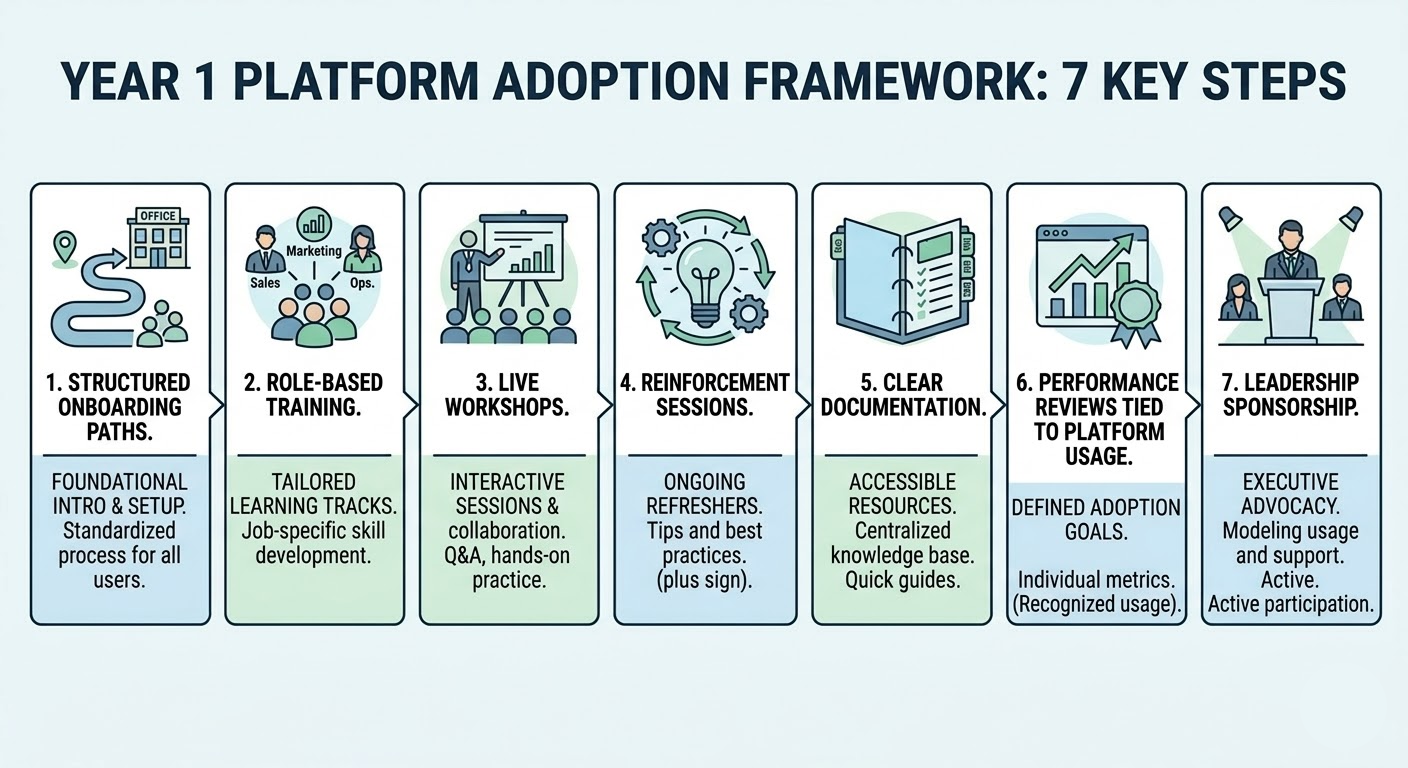
If you are investing six or seven figures into enterprise marketing automation then year one should include:
- Structured onboarding paths
- Role-based training
- Live workshops
- Reinforcement sessions
- Clear documentation
- Performance reviews tied to platform usage
- Leadership sponsorship
Training should not be a one-off event.
It should be a managed change management program.
This aligns strongly with our broader company philosophy around sustainable growth, transparency, and empowering people rather than forcing change.
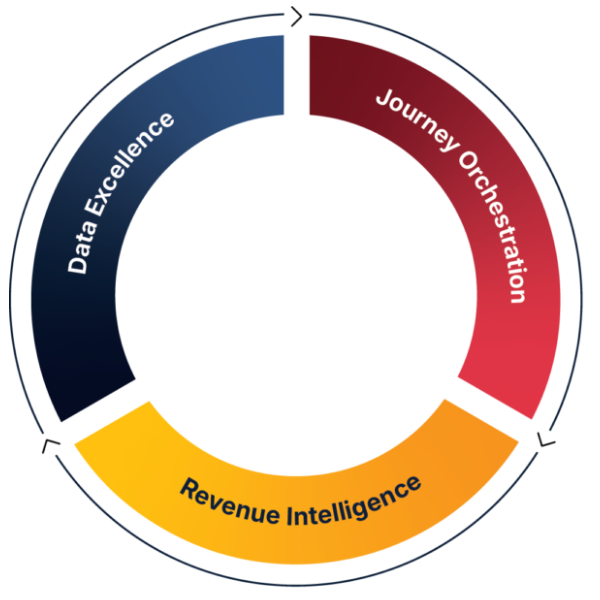
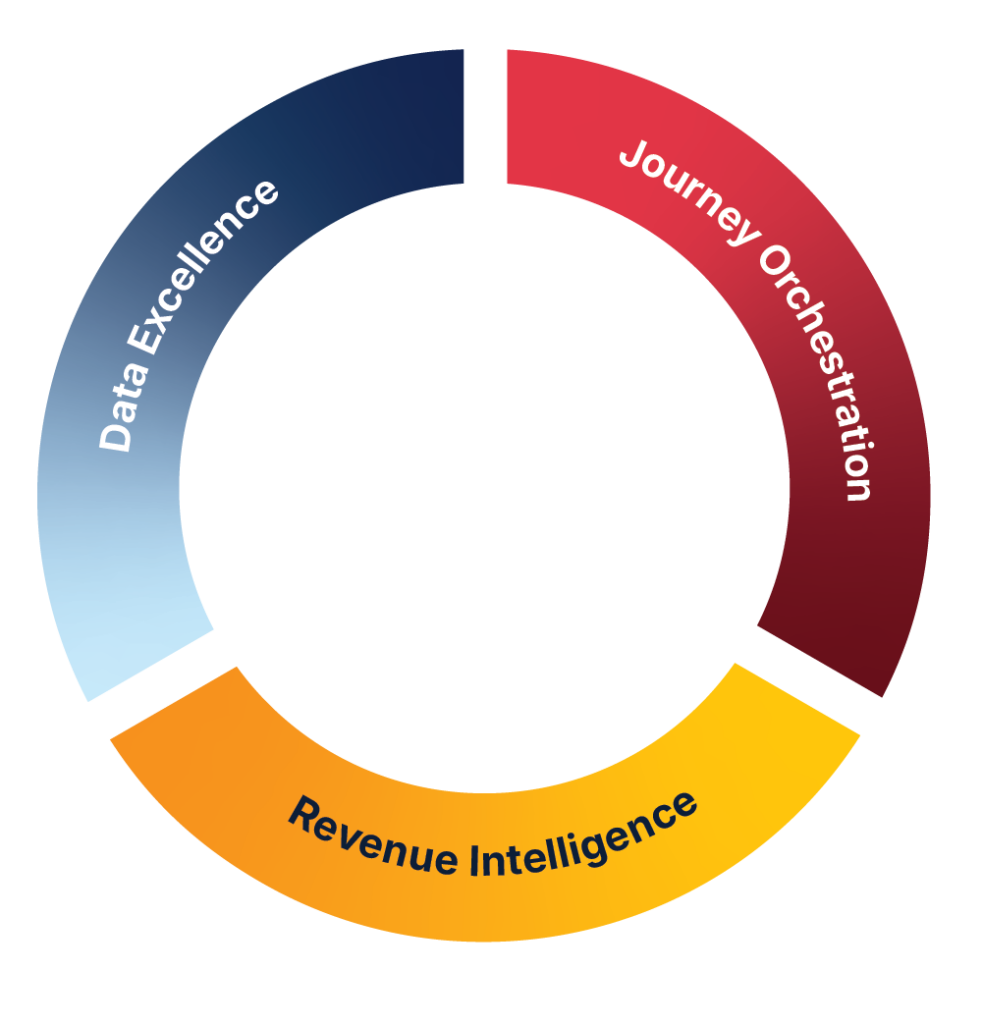
JTF Revenue Acceleration Loop
How This Connects to the Revenue Acceleration Loop
This topic sits within the Data Excellence component of the Revenue Acceleration Loop, because year‑one adoption directly determines whether your data, processes, and workflows are used consistently and accurately.
Investing in people ensures the data foundation is strong enough for the rest of the loop to accelerate revenue.
The Bottom Line
Enterprise platforms like Adobe Marketo or Adobe Journey Optimizer B2B are not inherently difficult.
But they are powerful.
And power without enablement creates fear.
Technology projects fail quietly when change management is treated as optional or ignored.
They succeed when leadership treats adoption, training, and culture as core investment pillars.
If you want ROI, do not just fund the software.
Fund the growth of your people.
Book a marketing automation consultation with JTF.
Connect with Andy on LinkedIn.
Frequently Asked Questions
Most projects stall because organizations treat year one as “implementation complete” rather than “adoption year.” The technology is rarely the issue – the gap is usually in training, process alignment, and helping teams understand why the change matters to them.
Enterprise tools like Adobe Marketo Engage and Adobe Journey Optimizer B2B Edition are powerful, but not inherently difficult. Complexity becomes a barrier only when people aren’t given structured onboarding, role‑based training, and ongoing support to build confidence
A single day or a PDF guide is not enough for a platform that reshapes process, accountability, and data ownership. High‑performing teams invest in continuous enablement: onboarding paths, live workshops, reinforcement sessions, and documentation tied to real workflows
Effective change management focuses on people, not configuration. It includes surfacing concerns early, showing the value through real examples, aligning processes with how teams actually work, closing capability gaps, and ensuring leadership sponsorship throughout year one.
ROI comes from adoption, not licences. The organisations that succeed treat training, culture, and capability building as core investment pillars. When teams understand expectations, see personal benefit, and feel supported, the platform becomes strategic — not just operational.